
“How To Catch A Salmon” appears in the Rivers of Ink: Literary Reflections on the Penobscot, featuring a mosaic of…

science writer
“How To Catch A Salmon” appears in the Rivers of Ink: Literary Reflections on the Penobscot, featuring a mosaic of…
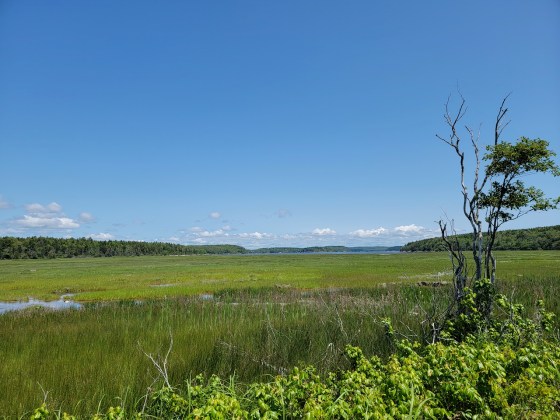
Salt marshes exist in a narrow plane between low and high tides. For decades, coastal ecologists have worried that marshes…

From Captain Cook’s Endeavor to Ernest Shackleton’s Endurance, the wrecks of wooden ships and their encounters with one of the…
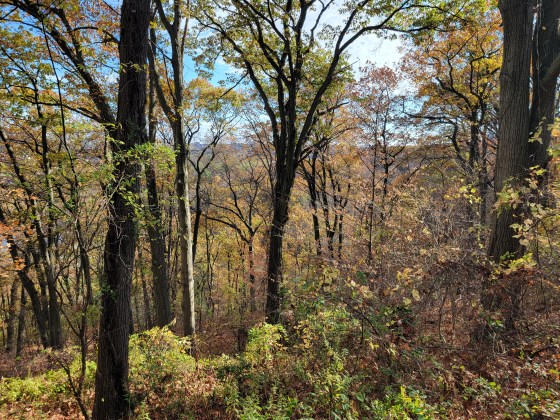
On Earth Day 2007, New York City Mayor Michael Bloomberg announced MillionTreesNYC, a partnership of the nonprofit New York Restoration…

In April I traveled to Texas to coordinate a science communication workshop for National Park Service and other federal agency…
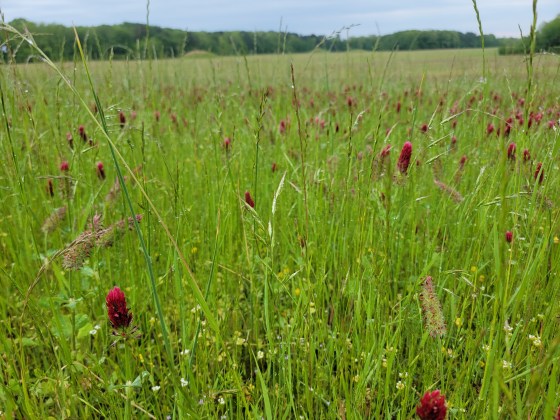
Some thoughts on how we talk about the world around us – words that are, at the very least, overused,…

Scientists like to use the word discover, as if they suddenly know something that has never been known, witnessed, thought…
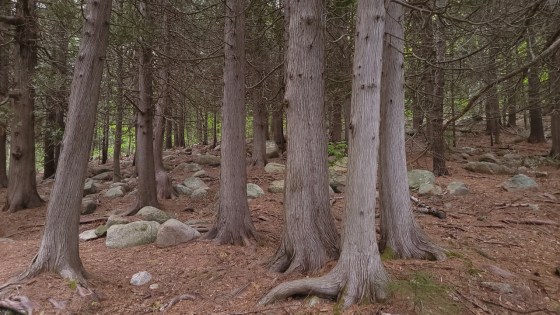
Some things are so familiar, so common, that they are often overlooked. Such is the case with northern white cedar…

Do you know where you belong? How do you decide to “settle down” and make a home? For answers, consider…

Covering 7.5 percent of Acadia National Park, lakes here are unique for their coastal mountainous setting. Scant minerals shed by…
 Catherine Schmitt